
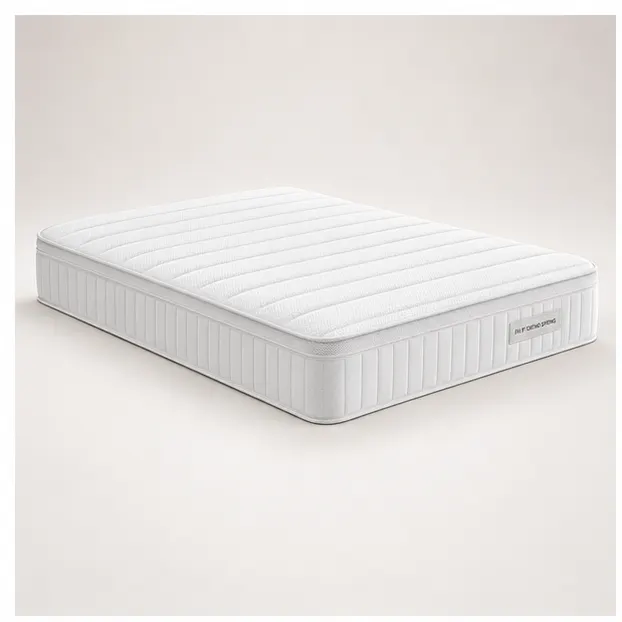
Start with the ache, not the label
Most people shopping for a back-pain mattress are really shopping for better mornings: less stiffness when you get up, fewer aches after a long day. A mattress can help with comfort and support, but it is not a medical treatment and cannot promise to fix back pain. If your pain is sharp, new, or keeps you from daily life, speak to a doctor or physiotherapist first. For the everyday ache that comes from poor support or an old sagging mattress, the right type can make a real difference. This guide explains each type honestly, using mattresses Norvessa actually sells.
Firmness: why the middle usually wins
Firmness is the first thing people ask about, and the most misunderstood. Too soft, and your hips sink and your lower back curves out of line. Too hard, and it presses on shoulders and hips while your lower back goes unsupported. For most adults with everyday back ache, a medium-firm feel is the safest starting point: enough give to cushion pressure points, enough resistance to keep the spine near its natural line. Side sleepers need more give at the shoulder and hip, back sleepers need steady support under the lower back, and stomach sleepers need the firmest surface. Weight matters too: the same mattress feels firmer to a lighter person than to a heavier one. Do not choose by a label alone: read the recorded construction and thickness, and ask the Norvessa team if anything is unclear.
Orthopedic spring mattresses: firm, simple support
Orthopedic on a mattress usually means a firmer spring unit built to hold its shape and resist sagging. The NB 9 inch Orthopedic Spring Mattress, starting from $110 CAD, is the straightforward choice in the Norvessa collection for someone who wants a firm, supportive sleep surface without a thick comfort layer. A spring core pushes back as you move, and it sleeps cooler than dense foam because air moves through the coils. It suits back sleepers and heavier sleepers who need a level surface all night. The trade-off is motion: a connected spring unit passes more movement across the bed than pocket coils do, so it suits single sleepers better than restless couples. Check the price for your size on the product page before ordering.
Firm foam: steady support at a lower price
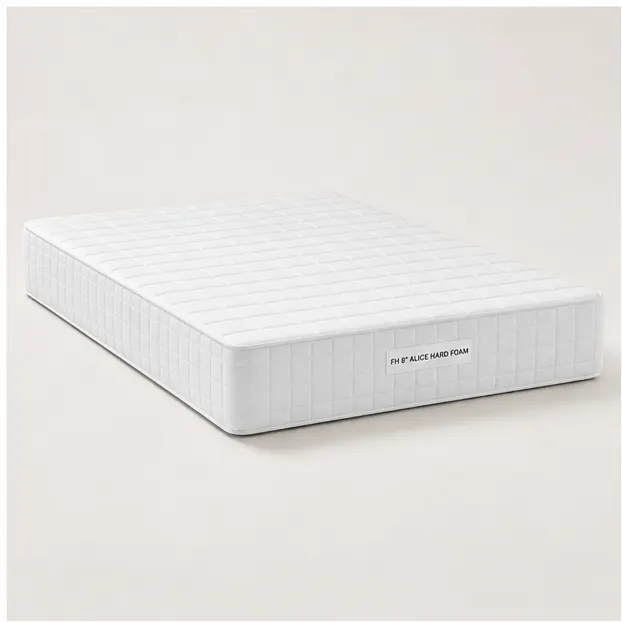
Foam mattresses support by contouring to your shape rather than pushing back like springs. The NB 8 inch Alice Hard Foam Mattress, starting from $120 CAD, is a firm foam option for a solid, even surface with very little bounce. Foam is quiet, absorbs movement well, and has no springs to wear unevenly. The NB 5 inch Essential Foam Mattress, starting from $90 CAD, is the lighter, simpler version: a good fit for a guest bed or a first mattress, but thinner foam gives less support for nightly use by a heavier sleeper. The honest weakness of foam is heat and the sinking feeling: if you sleep hot or dislike the slow, hugging feel, try a spring or pocket coil mattress instead. A firm foam mattress still needs the right base, so check whether your frame needs a box spring or has its own support.
Pocket coil: support that adjusts to you
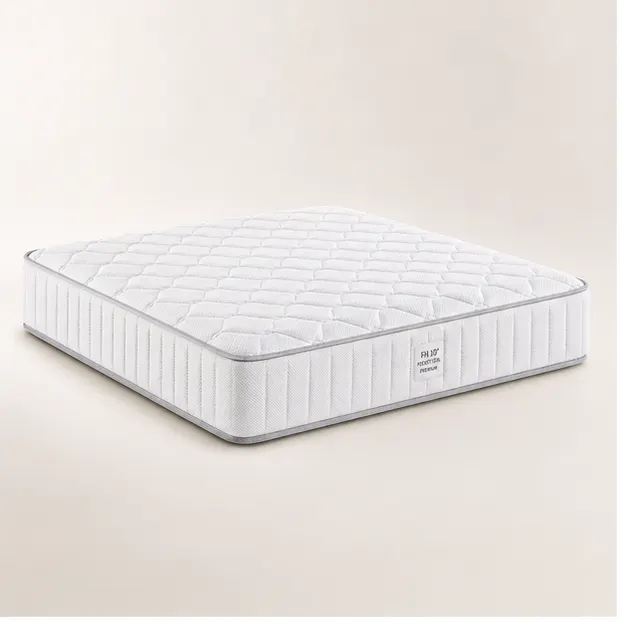
Pocket coil mattresses wrap each spring in its own pocket, so every coil reacts on its own — the closest a spring mattress gets to following your shape, with more give at shoulders and hips while the lower back stays supported. The NB 10 inch Pocket Coil Premium Mattress, starting from $269 CAD, is the premium pick in the Norvessa collection for back ache, and the price reflects the build. Movement stays on one side of the bed, which matters for couples, and the coils keep air moving, so it sleeps cooler than solid foam. The trade-off is price and weight: they cost more and are heavier to move and rotate. If your budget stretches to it and you share the bed, it is the best all-round choice for back comfort.
Eurotop and pillowtop: comfort on top of support
A eurotop or pillowtop adds a sewn-on comfort layer above the support core, so the mattress feels softer at first touch while the core still does the supporting. The NB 10 inch Anna Plus Eurotop Mattress, starting from $120 CAD, and the NB 10 inch Alice Plus Pillowtop Mattress, starting from $140 CAD, both give that cushioned feel. For back ache, the comfort layer helps only if the core underneath is right: a soft top on a weak core still sags, while a soft top on a firm core can suit a side sleeper whose shoulders need relief. Think of the top layer as comfort and the core as support, and judge them separately. Ask the team what is inside the mattress, and do not pay for a thick comfort layer if what you need is a firmer core.

The base and the habits that protect your back
Even the best mattress fails on the wrong base: a sagging box spring or worn slats undo the support you paid for, so check your foundation before blaming the mattress. Platform beds with solid, closely spaced slats suit most modern mattresses, while older frames may need a box spring for a level surface. Measure the frame and the delivery route before ordering. After it arrives, small habits protect both mattress and back: rotate it head to foot every few months, use a mattress protector, and keep the room cool and dark. A mattress that stays level keeps its support far longer than one left to sag in the middle.
Delivery, returns and exchange in plain terms
The same Norvessa terms apply whichever mattress you choose. Delivery is inside your home between 6 PM and 10 PM, seven days a week, and same-day orders must be placed before 2 PM Toronto time, subject to manager confirmation. Delivery is free only in Mississauga, Brampton, Toronto, Vaughan, Markham and Newmarket; every other served city across the 82 Ontario delivery cities carries its listed per-city fee, so check your city's fee on the delivery page before you order — for example, delivery to Pickering is $55 CAD. Pickup at 181 Queens Drive, York is by appointment only, and you can reach the team at +1 647 361 0053 or norvessabedding@gmail.com. Keep the original packaging where possible, report delivered damage within 24 hours, and note the terms: eligible returns within 10 days, exchanges under the published 10-year terms. Those periods describe eligibility, not automatic approval, and an opened or used mattress may not be eligible for return.